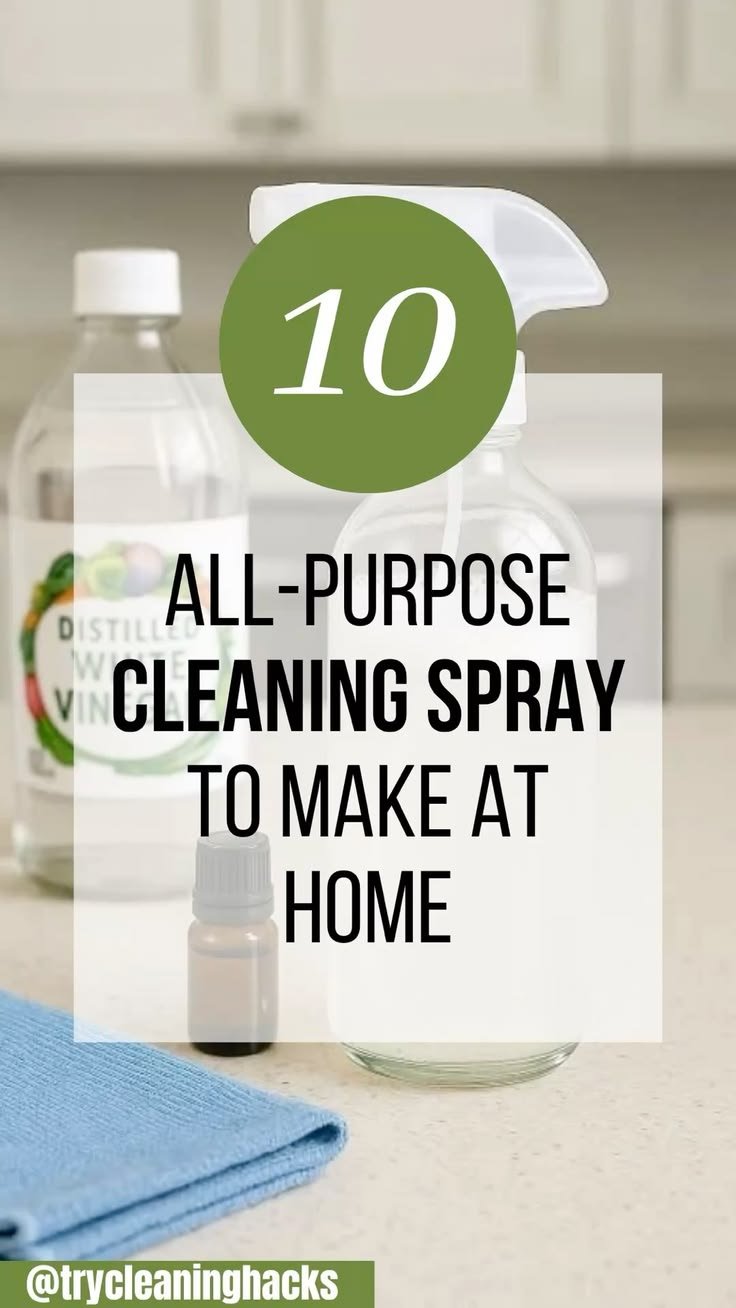

Keeping your home clean, fresh, and organised does not always require expensive cleaning products or strong chemical solutions. In fact, some of the most useful household cleaning ingredients are already sitting in your kitchen.
Natural cleaning methods can help remove dirt, reduce unpleasant odours, clean everyday surfaces, and make household chores easier. Ingredients such as vinegar, baking soda, lemon, and salt have practical cleaning uses when applied correctly.
If you want to maintain a cleaner home while reducing your reliance on harsh cleaning products, here are 10 natural ways to clean your home.
1. Use White Vinegar to Clean Glass and Windows
White vinegar is a useful household cleaning ingredient because its acidity helps dissolve mineral deposits and remove some everyday dirt.
To clean glass windows and mirrors:
- Mix equal parts white vinegar and water in a spray bottle.
- Spray lightly onto the glass.
- Wipe with a clean microfiber cloth.
- Use a dry cloth to remove remaining streaks.
Avoid using vinegar on natural stone surfaces such as marble and granite because its acidity can damage them.
2. Use Baking Soda to Remove Unpleasant Odours
Baking soda is an inexpensive household ingredient that helps neutralise certain unpleasant smells.
You can use it in your refrigerator, rubbish bin area, and other suitable spaces.
Simply place a small open container of baking soda in the refrigerator to help absorb odours. Replace it periodically.
You can also sprinkle some on suitable washable surfaces, allow it to sit briefly, and wipe away with a damp cloth.
3. Clean Your Kitchen with Lemon
Lemons contain citric acid, which can help loosen some grease and mineral deposits.
To use lemon for everyday cleaning:
- Cut a lemon in half.
- Rub it over suitable washable surfaces.
- Allow it to sit briefly.
- Wipe with a clean damp cloth.
Lemon is particularly useful for freshening up certain kitchen surfaces and removing some food-related smells.
Avoid using lemon on marble, granite, and other acid-sensitive materials.
4. Use Salt to Scrub Stubborn Kitchen Dirt
Salt can act as a mild abrasive when you need to scrub certain surfaces.
For example, you can sprinkle a little salt on a suitable cutting board, scrub gently with a damp cloth, and rinse thoroughly.
It can also help remove some stuck-on food from suitable cookware.
However, avoid using salt on delicate surfaces that scratch easily, and do not leave salty moisture sitting on metal because it can encourage corrosion.
5. Freshen Your Home with Natural Citrus Peels
Do not throw away every orange or lemon peel after eating the fruit. Citrus peels have a pleasant natural fragrance that can help freshen certain spaces.
You can:
- Place fresh orange peels in a small bowl.
- Put the bowl in a well-ventilated area.
- Replace the peels regularly before they become mouldy.
You can also simmer citrus peels in water briefly to release their fragrance. Never leave a heating pot unattended.
This is a simple way to give your home a refreshing citrus smell without relying on artificial air fresheners.
6. Use Warm Water and Mild Soap to Clean Floors
Sometimes, the simplest cleaning method is the most effective.
Warm water and a little mild dish soap can remove everyday dirt from many washable floors.
To clean your floors:
- Fill a bucket with warm water.
- Add a small amount of mild dish soap.
- Dip your mop into the mixture.
- Wring out excess water.
- Clean the floor and allow it to dry.
Always check your flooring manufacturer’s instructions. Avoid excessive water on wooden floors and delicate surfaces.
7. Clean Your Bathroom with Baking Soda
Bathrooms require regular cleaning because soap residue, dirt, and moisture can accumulate quickly.
Baking soda can help remove some surface dirt and soap residue.
Sprinkle a small amount on a damp sponge, gently scrub suitable bathroom surfaces, and rinse thoroughly.
You can use this method on appropriate sinks, bathtubs, and tiles.
Remember that baking soda is not a disinfectant. For proper bathroom hygiene, use an appropriate disinfectant according to its label when needed.
8. Use Microfiber Cloths to Remove Dust
One of the easiest natural cleaning methods is to use a good microfiber cloth.
Microfiber materials are designed to trap dust and dirt, making them useful for cleaning furniture, shelves, television stands, and other household surfaces.
For the best results:
- Use a dry microfiber cloth for ordinary dusting.
- Use a slightly damp cloth for stubborn dirt.
- Wash reusable cloths regularly.
- Avoid fabric softeners when washing them because these can reduce their effectiveness.
This method reduces the need for disposable cleaning wipes.
9. Use Fresh Air and Sunlight to Freshen Your Home
Your home does not always need an air freshener to smell pleasant.
Opening windows when outdoor air quality and weather conditions permit allows fresh air to circulate.
Sunlight can also help dry damp household items and reduce moisture buildup.
Try opening your windows regularly, drying towels properly, and allowing bedding to air out.
These simple habits can make your home feel fresher and help prevent musty smells.
10. Use Steam to Loosen Dirt and Grease
Steam cleaning is another useful way to clean certain household surfaces without adding chemical cleaning solutions.
A steam cleaner uses heated water to loosen dirt and grime.
It can be useful for suitable:
- Floor tiles.
- Certain bathroom surfaces.
- Some kitchen surfaces.
- Other materials approved by the steam cleaner manufacturer.
Always follow the equipment instructions and check whether the surface can withstand heat and moisture. Avoid using steam on delicate fabrics, unsealed wood, and heat-sensitive materials.
Important Natural Cleaning Safety Tips
Although natural ingredients can be useful, they are not automatically safe for every surface or situation.
Keep these precautions in mind:
- Never mix vinegar with bleach. This can release dangerous chlorine gas.
- Never mix bleach with ammonia or other cleaning products.
- Do not mix different cleaning ingredients unless their compatibility is established.
- Keep cleaning ingredients away from children and pets.
- Test cleaning solutions on a small, hidden area before applying them widely.
- Remember that natural cleaning ingredients do not necessarily disinfect or kill harmful germs.
Final Thoughts
A clean and welcoming home does not have to cost a fortune. With simple ingredients such as baking soda, white vinegar, lemon, salt, and mild soap, you can handle many everyday household cleaning tasks.
The most important thing is consistency. Make cleaning a regular habit rather than waiting until dirt and clutter become overwhelming.
Start with your kitchen, bathroom, living room, and bedroom. Keep your windows open when appropriate, wash your cleaning cloths regularly, and remove unnecessary clutter.
A naturally clean home is not just about what you use to clean; it is also about the healthy habits you practise every day.


